What is an invisible disability?
Invisible disability is a physical, mental, or neurological condition that is not visible from the outside, yet can limit or challenge a person’s movements, senses, or activities.
“Disability” is often used to describe an ongoing physical or mental challenge”; however, it should not be used to describe a person is weaker or lesser than anyone else. Everyone has their unique purpose and value, no matter what challenges they might be facing. Additionally, just because a person has a disability does not mean that they are disabled. Many people who live with a disability are still fully active in their work, their family, and their hobbies.
When people think of a person with a disability, they often envision someone using a wheelchair or a walker. However, disabilities can come in various forms, some visible, some invisible. In the 1994-1995 Survey of Income and Program Participation, it was found that 26 million Americans (almost 1 in 10) have a severe disability. Only 1.8 million of those Americans used a wheelchair, and 5.2 million used a cane, crutches, or walker. This shows that 74% of Americans who live with a severe disability do not use such devices, demonstrating that disability cannot be determined by whether or not a person is using assistive equipment.
“Invisible disability” refers to symptoms such as debilitating pain, fatigue, dizziness, cognitive dysfunctions, brain injuries, learning differences, mental health disorders, and learning and vision impairments. These disabilities may not always be obvious to an onlooker, but they can often limit the activities of the person who is struggling with them.
Unfortunately, humans often judge each other by their appearance, thus they conclude what another person can or cannot do simply by their looks. This can be incredibly frustrating for those who struggle with invisible disabilities as the people around them may feel pressured by society to meet certain expectations just because their disability is now visible to the naked eye. International Disability expert, Joni Eareckson Tada explains this concept well when she said, “People have such high expectations of folks like you [with invisible disabilities], like ‘come on, get your act together.’ But they have such low expectations of folks like me in wheelchairs, as though the thought is that we can’t do much”.
Everyone who struggles with a disability is different, facing varying challenges and needs. It is incredibly important that we listen to each other and not judge others by their visual appearance.
Source: invisibledisabilities.org
Common Invisible Disabilities

Traumatic Brain Injury
Traumatic brain injury usually results from a violent blow or jolt to the head or body. The most common causes of traumatic brain injury include falls, sports injuries, and vehicle-related collisions. Traumatic brain injury can result in prolonged or permanent changes to a person’s state of consciousness or lead to seizures. While these challenges may not be visible to outsiders, they can limit the activities of the person who is struggling with them.
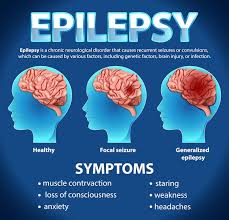
Epilepsy
Epilepsy is a chronic brain disease that causes seizures, which are episodes of abnormal electrical activity in the brain. Seizures can cause varying symptoms including the following: loss of consciousness, abnormal movements, and changes in attention. Epilepsy affects around 50 million people worldwide and is more common in children and the elderly. The unpredictability of seizures that a person with epilepsy experiences can cause constant anxiety, affecting their daily life without others realizing the extent of the challenges they’re grappling with.

Diabetes
Diabetes occurs when the body doesn’t produce enough insulin or the body cannot effectively use the insulin it produces. A person struggling with diabetes may need to constantly monitor their blood sugar levels, which requires careful planning and may be emotionally exhausting. The dietary restrictions that someone with diabetes have may limit their abilities to participate in social events due to the availability of accessible foods. While these challenges are not visible on the surface, they can deeply affect someone’s physical and emotional health.
Resources for Those with Invisible Disabilities
Invisible Disability Project
The Invisible Disability Project (IDP) is an educational media project that holds public conversations and creates interactive online content to create supportive community for those struggling with invisible disabilities. They are known for their “This is Me” videos about topics ranging from ableism to identity, to diversity.
Invisible Disabilities Association

The Invisible Disabilities Association is a nonprofit organization dedicated to raising awareness, providing support, and offering resources for those struggling with invisible disabilities. They promote events such as Invisible Disabilities Week to empower those with disabilities to share their stories, challenges, frustrations, and triumphs.
 The Spine Saga