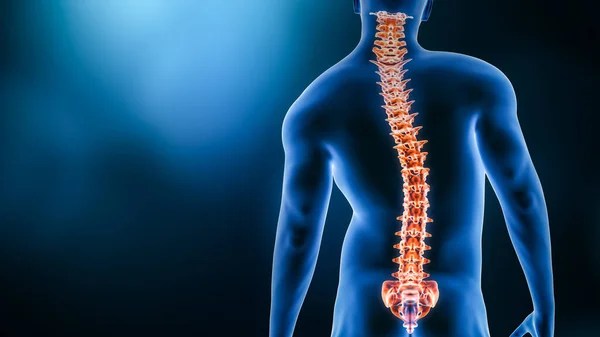
Scoliosis is an abnormal curvature of the spine that affects about 2-3% of the American population. There are many myths surrounding scoliosis, a lot of which are misleading, making it difficult for people to understand scoliosis and how it affects those who live with it. I want to help set the record straight in this blog post by debunking some of the most common myths about scoliosis.
1) Scoliosis Progression Stops in Adulthood
Although scoliosis is strongly associated with growth, it does not mean that scoliosis progression stops in adulthood. It is known that scoliosis progression will often stop in adulthood–however, the bigger the curvature, the more likely it is that it will progress into adulthood. The major reason for the progression of scoliosis is the weakening of ligaments in the spine as people age. As the ligaments weaken, the spine loses stability, causing the curvature to increase.
2) Bad Posture Causes Scoliosis
Parents may often tell their child to sit upright, as bad posture contributes to the development of their scoliosis. This may intuitively make sense as a lot of youth who have scoliosis may have slumped postures. However, their posture is not necessarily the cause of their scoliosis.
3) Scoliosis is Always Visible
When people often think of scoliosis, they often envision a dramatic curvature of a person’s spine that is visible to the naked eye. While severe cases of scoliosis may be apparent, many cases of scoliosis are not always apparent. Scoliosis can range from mild to severe–even small curvatures may lead to discomfort and pain. Just because a person’s scoliosis is not visible through their clothing does not mean it is not something they are actively struggling with.
4) Surgery is the Only Treatment Option
One of the scariest myths about scoliosis is that the only treatment option is spinal surgery. While surgery may be necessary to treat severe cases of scoliosis, many people with scoliosis will never need surgery. Bracing in adolescence can help some slow or prevent their curvature from worsening. In addition, physical therapy, exercise, and pain management techniques can also help manage symptoms of scoliosis.
5) Scoliosis Always Causes Back Pain
Often, when people think of scoliosis, they often assume that those affected by it are plagued with back pain. This is not always the case. While some people with scoliosis do experience pain, others may have no symptoms at all. The pain a person with scoliosis experiences depend on factor such as the size and location of their spinal curvature, their age, and lifestyle.
 The Spine Saga