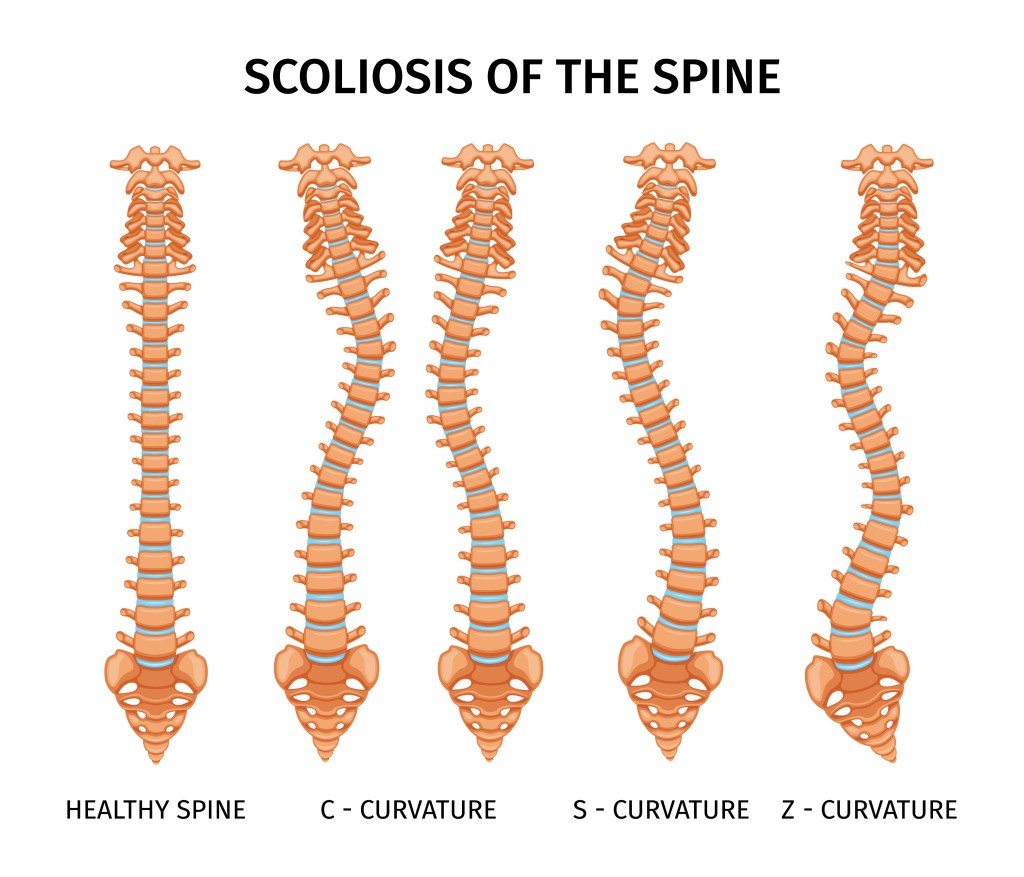
Usually, surgical treatment for scoliosis is recommended by doctors for those with severe curves (45-50 degrees or higher); this is to prevent the curvature from worsening. Although, when a doctor might recommend surgery as treatment for scoliosis may differ on a case by case basis, too. The most common surgery for scoliosis is spinal fusion: straighten the spine with metal rods and fuse the vertebrae so they heal into a single bone. However, other “fusionless” surgeries are also possible.
How long will the surgery take?
Most scoliosis fusion surgeries last anywhere from four to eight hours, depending on the severity of the curvature and how much of the spine is being fused.
How long is the recovery period?
The first few days after surgery may be quite painful, but usually patients begin to experience of a lessening of pain by the third to fourth day–that is when they usually are able to get up and walk and be discharged home. Mild pain may continue for three to six weeks after surgery, but after that period, pain medication should no longer be necessary. Usually, patients experience a full recovery within two to six months.
Will the spinal fusion make me unable to bend my back?
While the fused portion of your back will be permanently stiff, most people will retain enough motion in the unfused portion of their spines to perform all daily activities. If you participate in activities that require a lot of flexibility, you may experience a learning curve when trying to adapt after your spine surgery. However, most people will be living comfortably with their fused spine within a year of surgery.
Do the metal rods stay in my spine even after it is fused?
Usually, the rods are not removed even after the spine is fused. This is because the rods do not cause any harm and removing them would mean an additional, unnecessary, surgery. However, rods may be removed if they become broken or infected.
Are there types of treatments for severe scoliosis that do not require spine fusion?
There are several experimental types of “fusionless” spine surgeries such as vertebral body tethering which is where tension on cables can correct the spine to a certain point which is available for young patients who have severe scoliosis who are still growing. However, more research is needed to determine the lasting effect of this treatment.
Image credit <a href="http://<a href="https://www.freepik.com/free-vector/types-scoliosis-spine-infographics-with-set-isolated-spine-curvature-images-blank-background-vector-illustration_64993443.htm#query=scoliosis&position=0&from_view=keyword&track=ais_hybrid&uuid=2290856b-e3ca-43b0-bc0c-7162b32e05e4">Image by macrovectorlink
 The Spine Saga