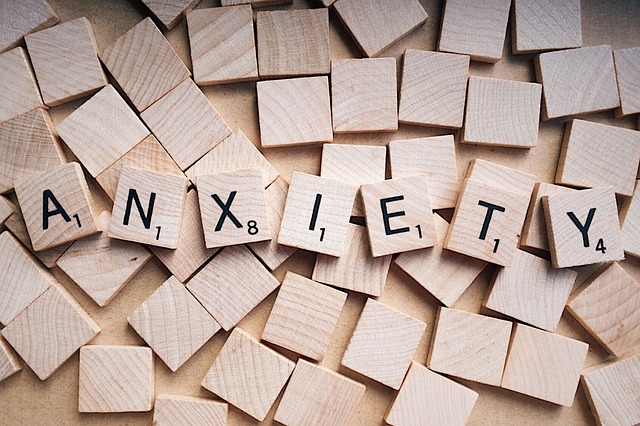
What is anxiety?
Occasional anxiety is a normal part of life. We all have things that we worry about: health, family, money, etc. However, anxiety disorders involve much more than just the temporary worry many may experience. For people with anxiety disorders, their anxiety do not go away after a while, and can worsen over time. Their anxiety can interfere with daily activities such as relationships and job performance. There are many types of anxiety disorders including generalized anxiety disorder, panic disorder, social anxiety disorder, and phobia-related disorders.
What are some signs of anxiety?
The specific type of anxiety I will be focusing on is generalized anxiety disorder (GAD). GAD usually involves a person experience a constant anxiety throughout their day, which can affect their routine and interactions with others. This is not the same as the the temporary worry that many may experience when undergoing a stressful time in their lives. People who have GAD often experience persistent anxiety for months or even years. Some symptoms of GAD include the following: feeling restless, becoming easily fatigued, having headaches or stomachaches, and having difficulty falling asleep.
What are some contributing factors to anxiety?
Anxiety can be caused by a combination of biological and environmental factors. Here are some of the common risk factors of anxiety:
- Family history: Having a biological relative who has dealt with anxiety or other mental disorders.
- Childhood experiences: Childhood shyness or nervousness when in new situations or environments.
- Stressful events: Experiences stressful events such as the death of a loved one, financial stress, or other negative life events.
- Physical health: Having other medical conditions such as cancer or chronic pain.
What are some treatments for anxiety?
Anxiety disorders are usually treated with psychotherapy, medication, or both. It is important to work with a healthcare provider to find the best treatment for you.
What are some other resources for me to learn more about anxiety disorders and treatment options?anxiety
I have included below a few of the resources I have referenced for this blog, and which I think include information that is easy to understand.
 The Spine Saga